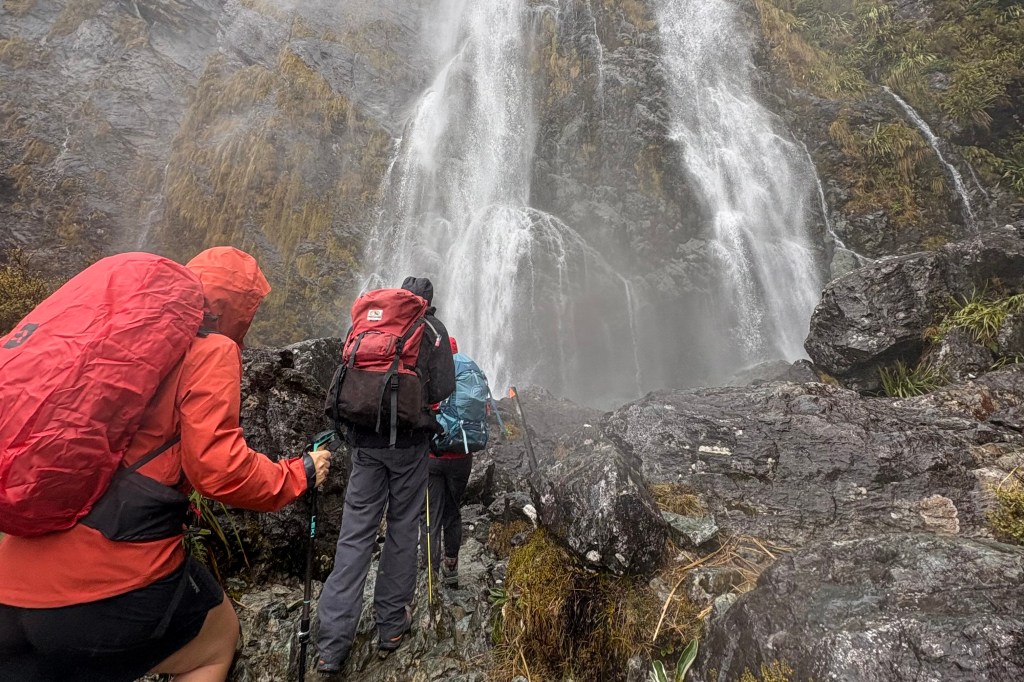
Active travel has a special way of bringing people together – but when you experience it as a group, the rewards go far beyond the destination. If you’ve ever dreamed of planning a trip with friends or family, you’ll know it’s not just about the places you go. It’s about the shared moments, the laughter, the challenges, and the memories that stay with you long after you’re home again.
Recently, six of us completed the multi‑day Routeburn hike together, and it reminded me just how powerful group active travel can be — not only for the landscapes you discover, but for the connections you build along the way.
The Journey Starts Long Before the Trip
The Routeburn wasn’t just three days of hiking through alpine passes and lush valleys. It was the months leading up to it: training walks, shared planning, gear checks, and encouragement. For some, it meant stepping outside their comfort zone. For all of us, it became a shared challenge that strengthened friendships and created memories that will last long after the blisters have healed and the boots are packed away.
Shared Challenges Create Stronger Connections
Completing an active adventure together changes the dynamic of a group. You learn how people respond when things get tough, who lifts the energy when motivation dips, and who quietly keeps everyone moving forward.
Whether it’s reaching a mountain pass, crossing a marathon finish line, or completing a multi‑day cycle trail, the sense of achievement feels bigger – and more meaningful – when it’s shared.
It wasn’t our first group adventure, and it definitely won’t be the last. Over the years, we’ve completed the Milford Track, taken part in events like the Queenstown Marathon and the Round Taupō Cycle Challenge, and explored cycle trails such as the Lake Dunstan Cycle Trail.
Friends in our wider circle have taken this same approach to international active travel – running the New York Marathon, completing the Rarotonga Triathlon, planning sections of the Camino de Santiago, cycling Germany’s Romantic Road, and tackling hiking trails around the world. No matter the location, the common thread remains the same: shared movement creates shared meaning.
What’s the Ideal Group Size for Active Travel?
From experience, there’s a sweet spot when it comes to planning active trips with friends. For multi‑day hikes, endurance events, or cycling adventures, a group of four to six people often works best.
This size strikes a balance – small enough to stay flexible and easy to coordinate, yet large enough to create a strong sense of support and shared motivation. Accommodation is easier to secure, decisions are simpler, and it’s easier to move at a pace that works for everyone.
Larger groups can absolutely work too, but they require more structure. Coordinating transport, accommodation, event logistics, and varying fitness levels becomes more complex as numbers grow. Clear communication, early planning, and realistic expectations are essential. Breaking into smaller sub‑groups, appointing a lead organiser, or booking through a specialist event or group‑focused travel agency can help keep things running smoothly.
How Group Travel Adventures Begin
Many group trips start with a simple idea between a couple of people. Once you share it with a wider circle, you’re often surprised by who’s keen to join. Putting the idea out there opens the door for new connections and strengthens existing ones – you never quite know who might jump at the chance.
One of the most effective early steps is setting up a shared chat group. This quickly becomes the hub for planning and excitement. It’s where people can connect and motivate each other in the lead up, share training tips, packing advice, and lessons learned from similar trips.
For more ideas, check out How to Plan Group Travel Without the Stress.
Planning Together Makes the Experience Better
Involving everyone in the planning process spreads the workload and builds a sense of ownership. Assigning small roles – such as accommodation research, transport logistics, meal planning, or pre‑ and post‑trip activities – keeps things organised and ensures everyone contributes in a way that suits them.
Allowing extra time before or after the main event can transform a trip from a challenge into a complete experience. These slower moments – shared meals, relaxed conversations, or exploring nearby towns – often become just as memorable as the main adventure itself.
At the same time, balance is key. Building in downtime gives people space to rest, explore independently, or simply recharge. This flexibility helps group travel feel enjoyable rather than overwhelming.
For more ideas, read How to Get Everyone Involved in Planning Your Group Trip.
Why Group Accommodation Enhances Active Travel
Where you stay plays a big role in shaping the group experience. Choosing shared accommodation – whether it’s a house, lodge, or hostel depending on budget – adds another layer of connection. Cooking together, sorting gear, debriefing at the end of the day, and sharing stories over tired legs all contribute to the sense of travelling as a team.
You can learn more in Where to Stay on a Group Trip: The Best Accommodation Options for Every Style.
More Than Just a Trip
Active group travel isn’t about being the fastest or the fittest. It’s about choosing to experience something meaningful together. It’s about encouragement, shared effort, and celebrating achievements – side by side.
From local trails to international events, these adventures remind us that travel isn’t just about where you go. It’s about who you go with, and the memories you create along the way.
Group Active Travel Planning Tips
- Aim for 4–6 people for easier coordination and flexibility
- Start with an idea, then share it wider — you may be surprised who’s keen
- Create a group chat early to build momentum and share advice
- Get everyone involved by assigning small planning roles
- Plan extra time before or after the main event to extend the experience
- Allow downtime so people can recharge or explore independently
- Choose shared accommodation to enhance connection and simplify logistics
- Communicate clearly — especially with larger groups
Ready to Plan Your Own Group Adventure?
Start with our Group Travel Planning Guides — designed to help you organise your next trip with confidence, clarity, and zero stress.
 The Group Travel Guide
Leave a comment